
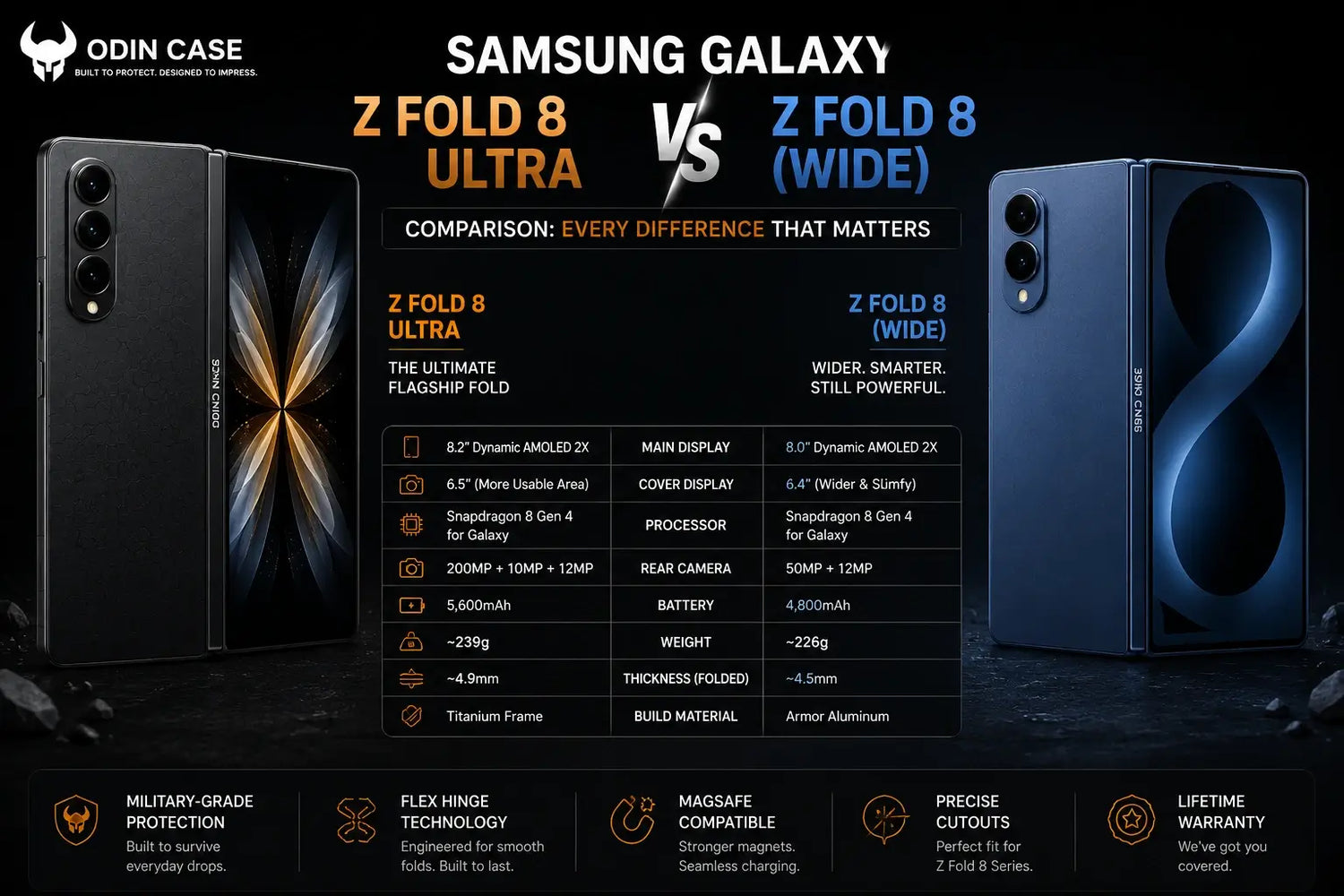
First: The Naming Situation You Need to Understand
Before every other comparison: The Galaxy Z Fold 8 Ultra is the successor to the standard book-style foldables Samsung has been releasing for years. The phone known as the Galaxy Z Fold 8 will be the new wide-format foldable debuting for the first time in Samsung's roster. Almost every article published before June 2026 has the names backward.
🔄 The Confirmed 2026 Z Fold Naming
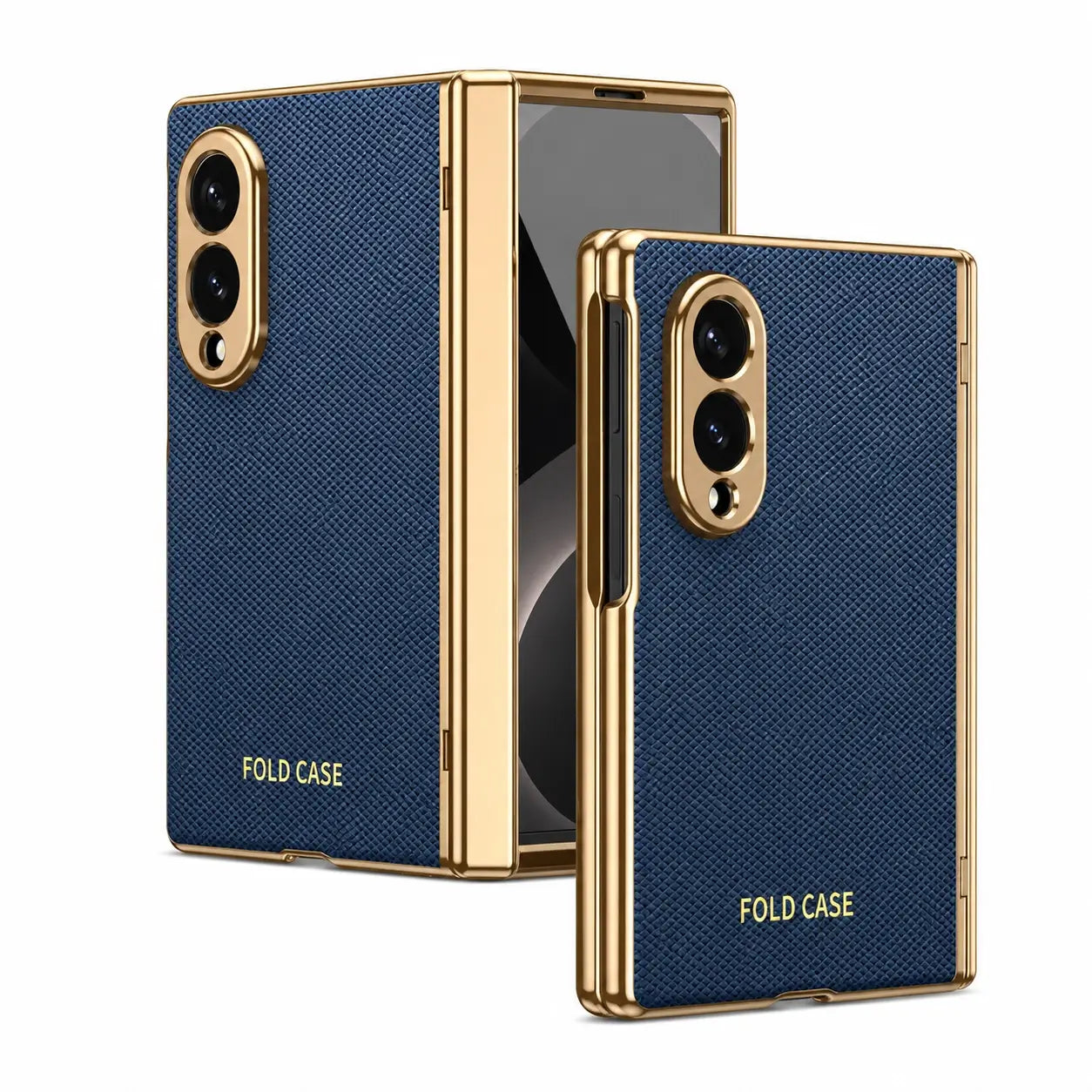
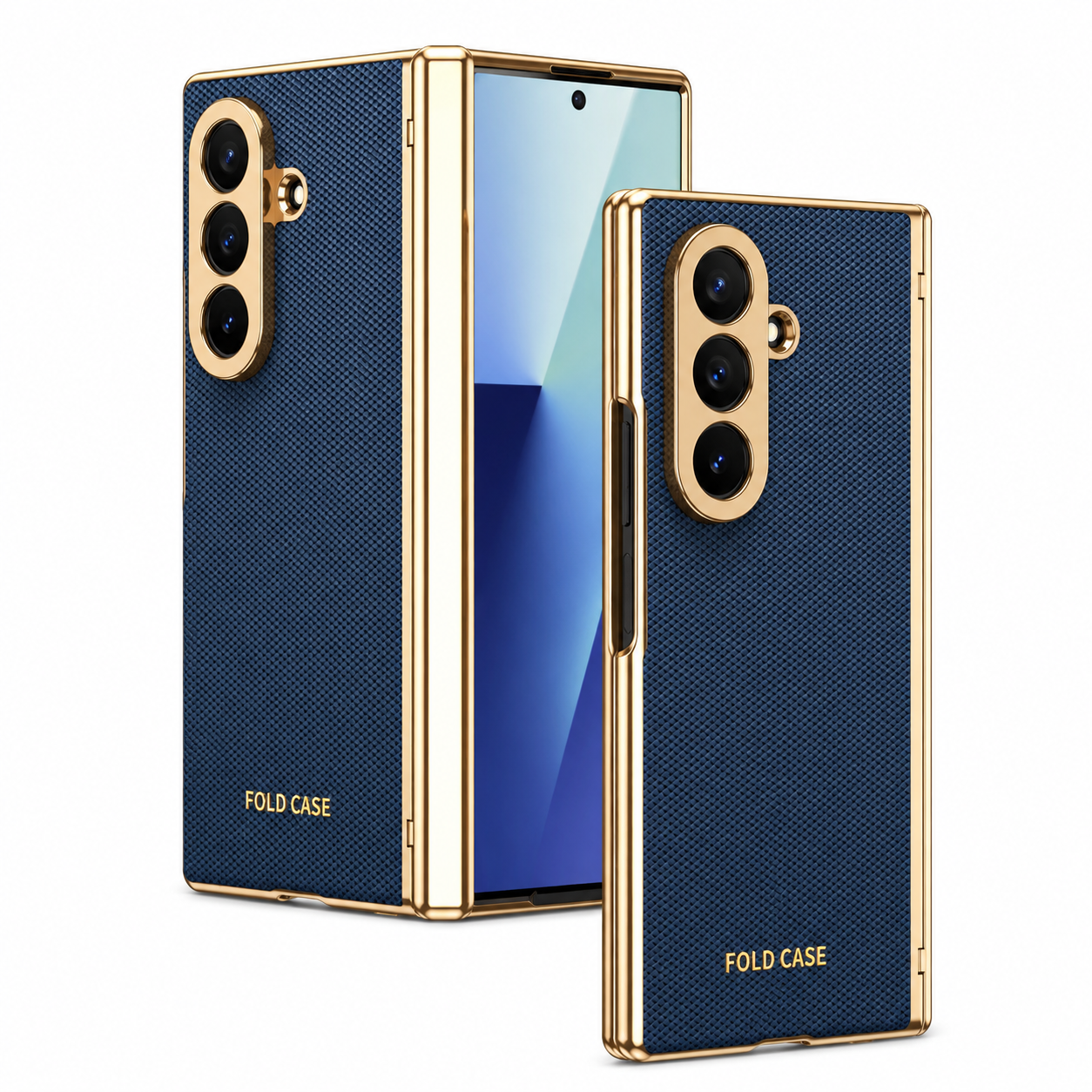
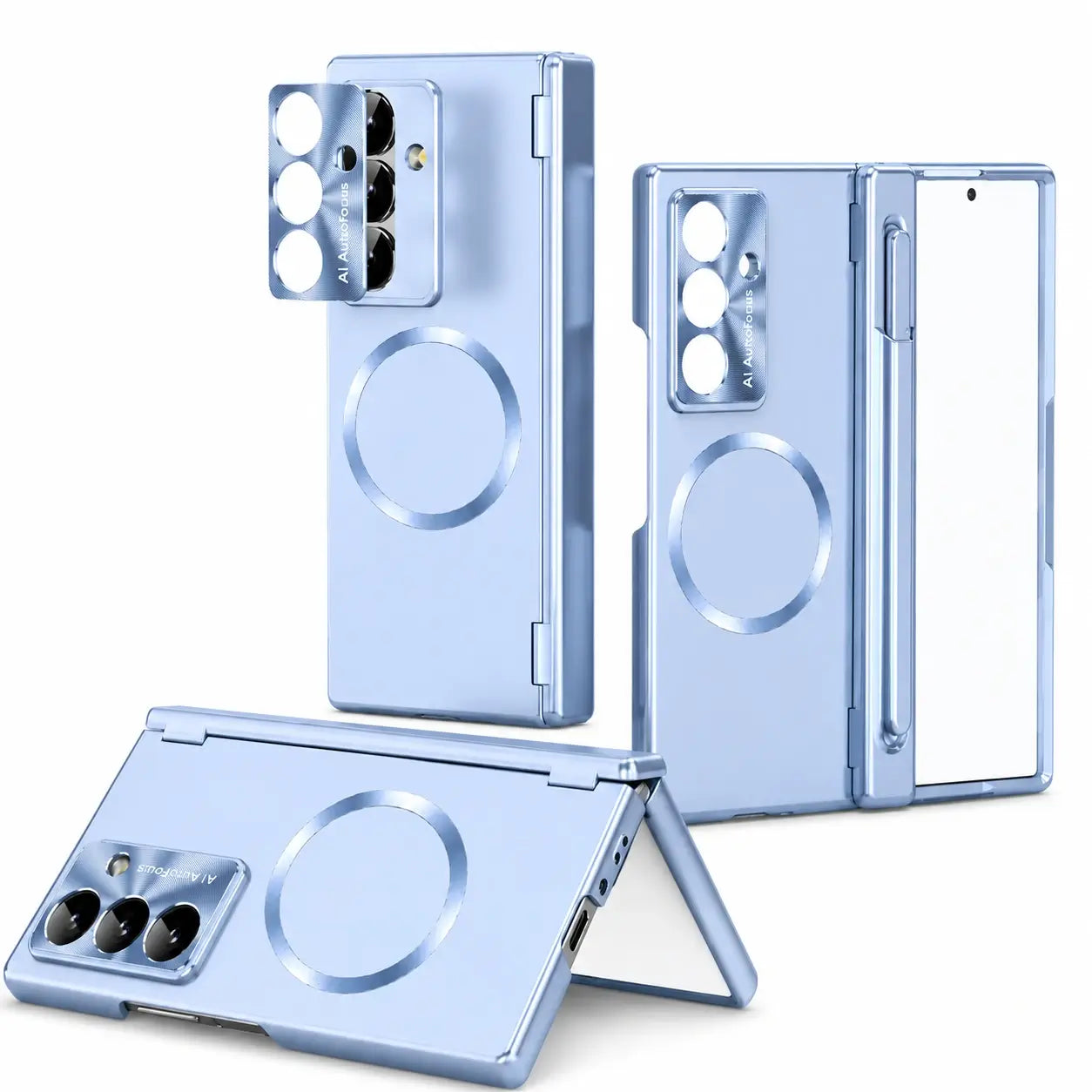
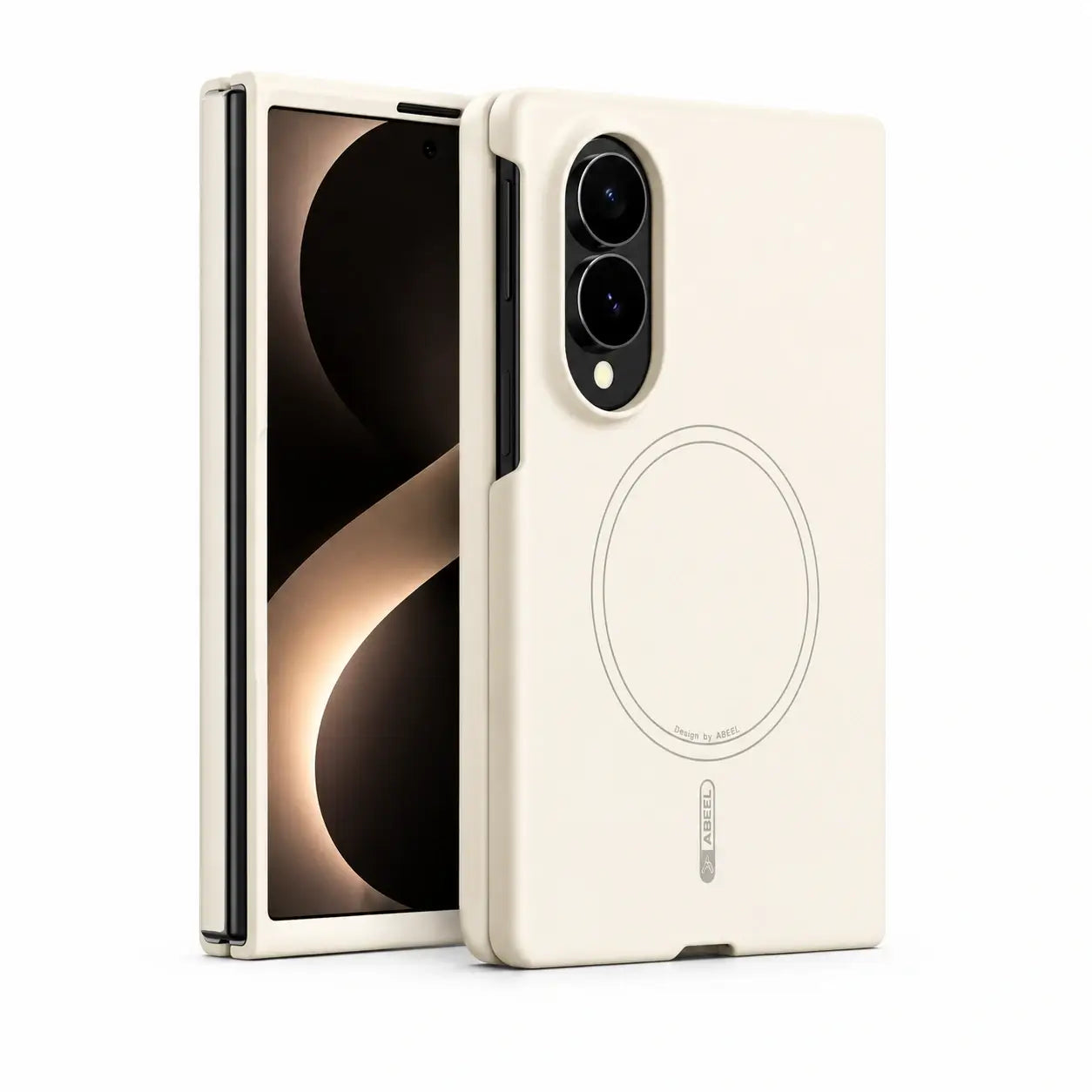
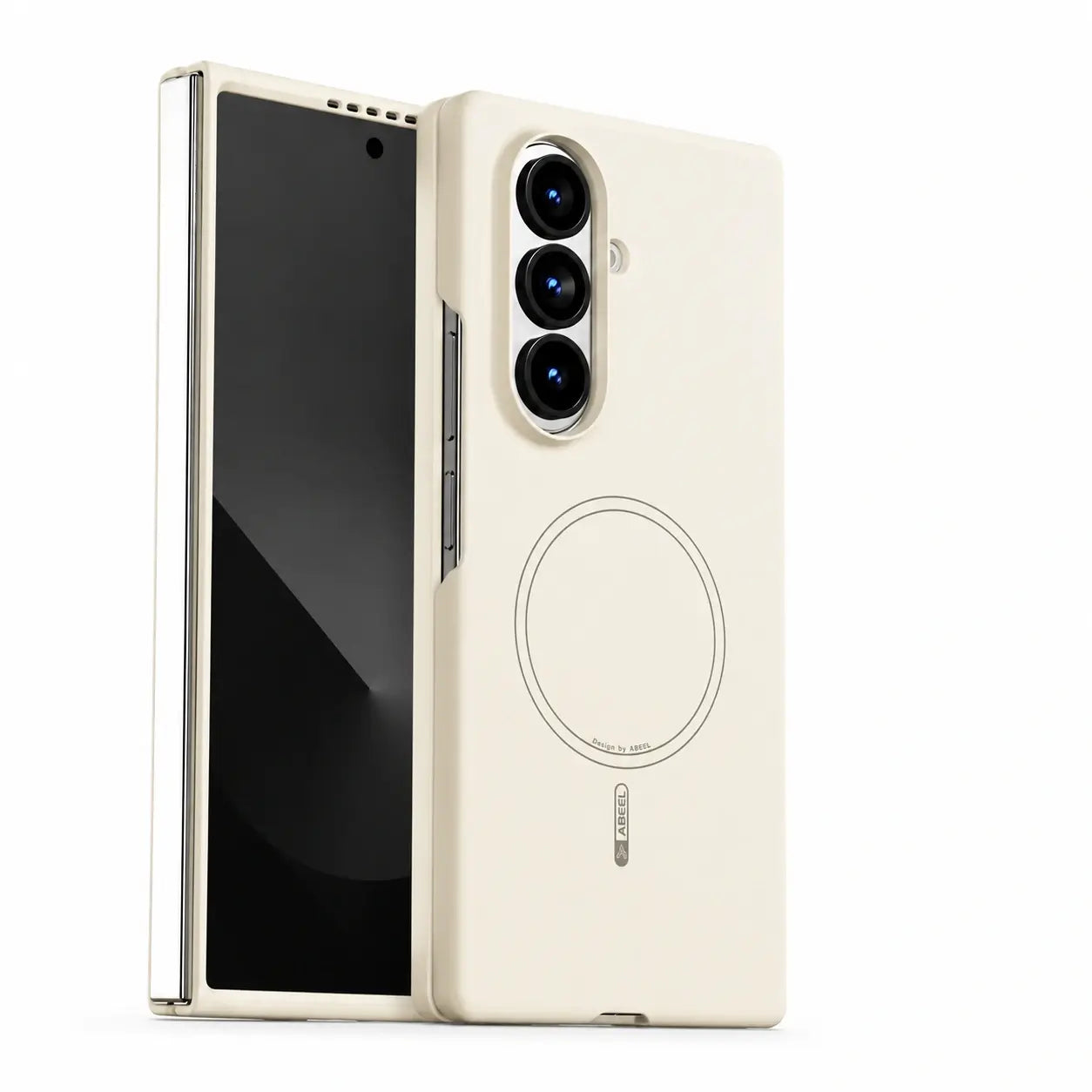
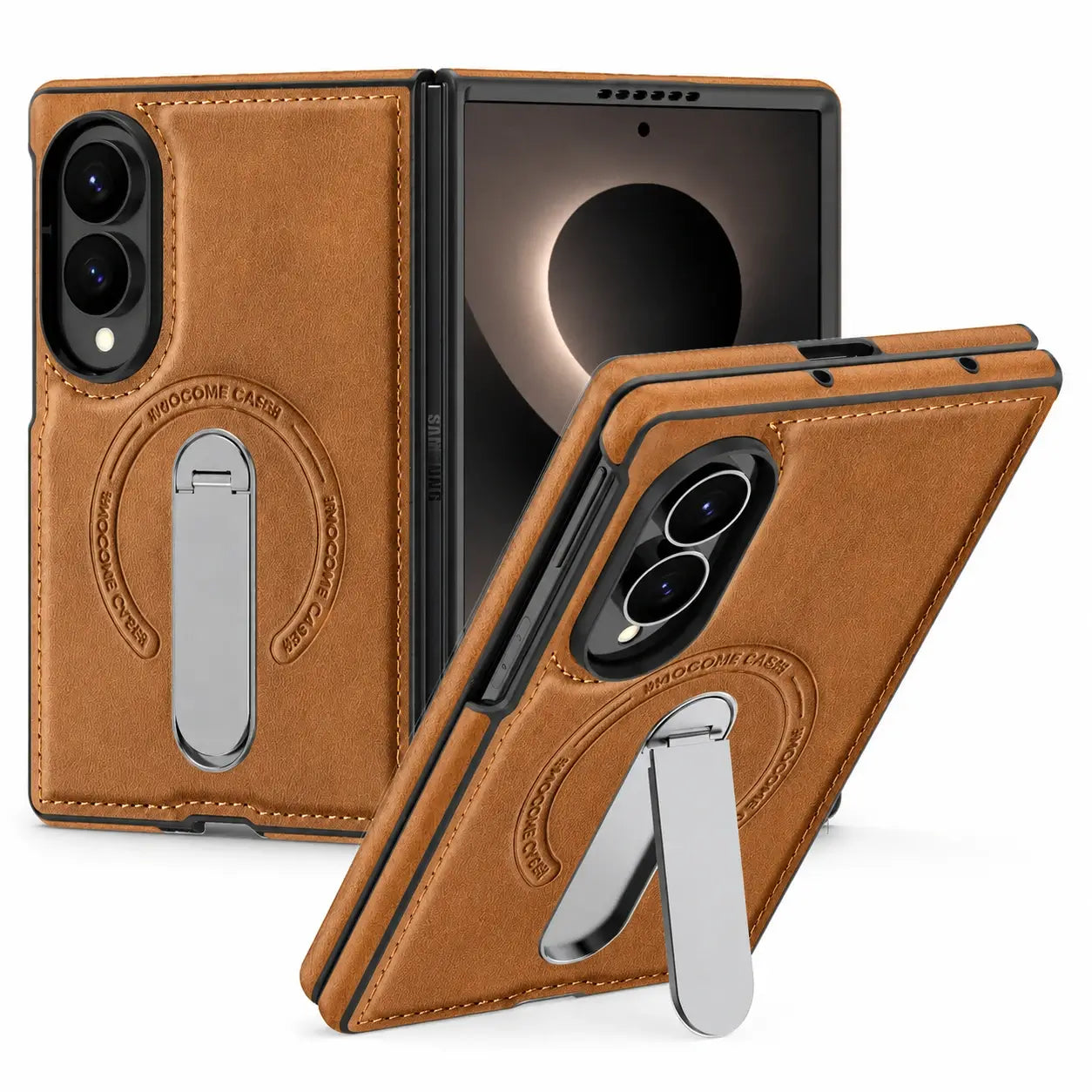
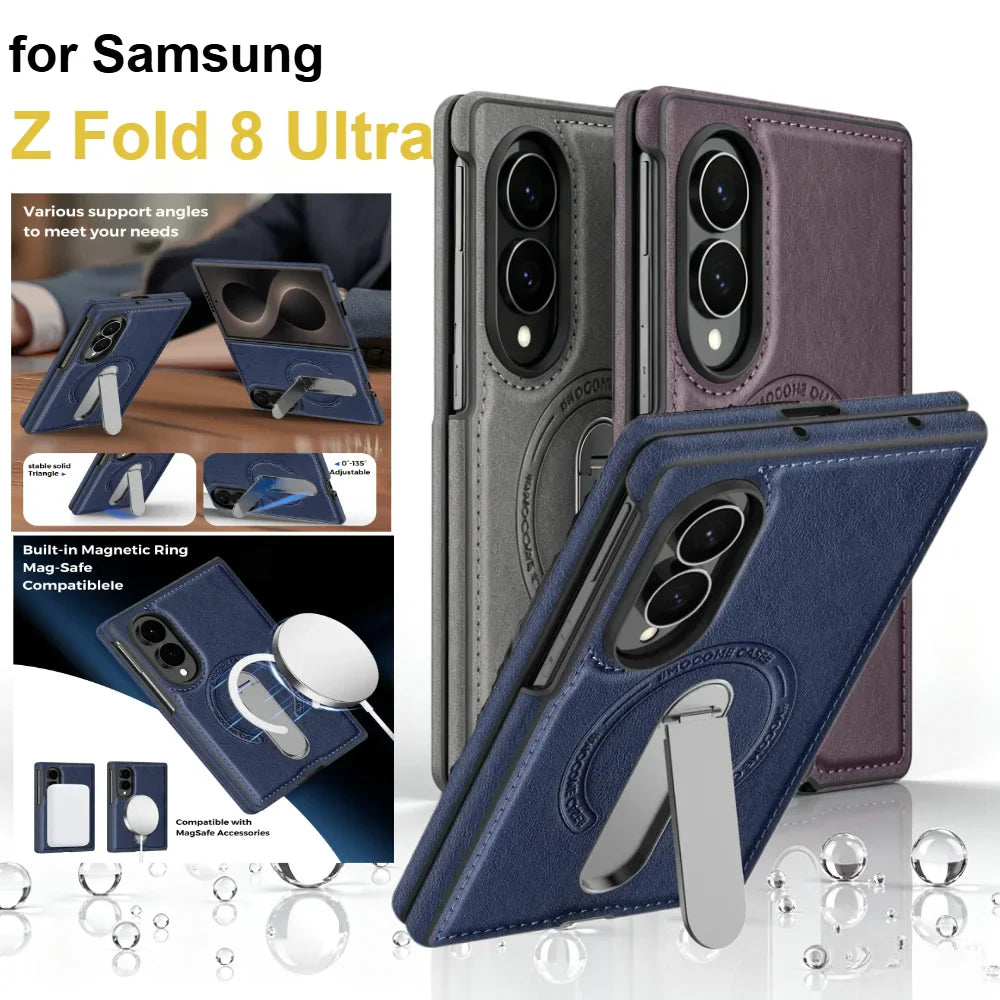
Galaxy Z Fold 8 Ultra (SM-F976) = Tall, portrait-first book foldable. The Z Fold 7 successor. 8-inch inner display. Triple camera. 6.5-inch cover screen. The "Ultra" name signals alignment with Samsung's Galaxy S Ultra premium tier. Cases: odincase.com/collections/samsung-galaxy-z-fold-8-ultra-cases
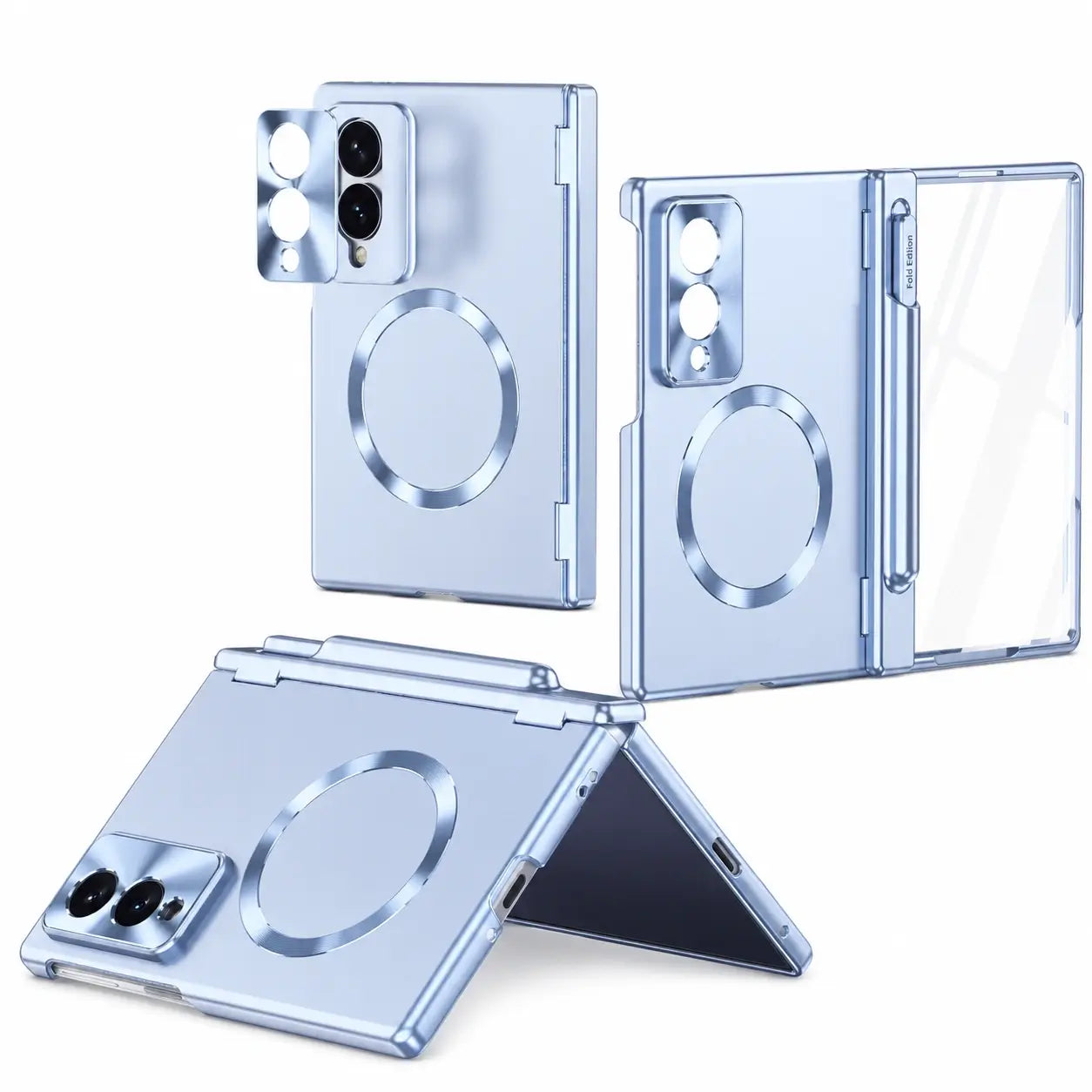
Galaxy Z Fold 8 / Z Fold 8 Wide (SM-F971U) = New landscape-first foldable. Shorter, wider than any previous Z Fold. 7.6-inch 9:7 inner display. Dual camera. 5.4-inch cover screen. Samsung's direct response to Apple's iPhone Ultra expected in September. Cases: odincase.com/collections/samsung-galaxy-z-fold-8-wide-cases
Important: At retail, the Wide will simply be called "Galaxy Z Fold 8." We use "Z Fold 8 Wide" throughout this article to distinguish it from the Ultra. They share no case compatibility — different dimensions, different collections, different devices entirely.
Difference #1: Shape — This Is Not a Minor Variation, It's a Fundamentally Different Device
The most important difference between the Z Fold 8 Ultra and Z Fold 8 Wide is not in a spec sheet row. It is in the shape. The Galaxy Z Fold 8 Wide introduces something the foldable market has never seen from Samsung: a landscape-first book-style device that is wider when open than it is tall when folded, with a 9:7 aspect ratio inner display that transforms how video, split-screen work, and keyboard input feel.
PORTRAIT
~6:5
LANDSCAPE
9:7
The physical shape difference has real daily consequences beyond aesthetics. The Galaxy Z Fold 8 is shorter and wider, while the Galaxy Z Fold 8 Ultra is taller and narrower. The Galaxy Z Fold 8 measures 123.9 × 81.9 × 9.7mm when folded and 123.9 × 161.4 × 4.5mm when unfolded. The Galaxy Z Fold 8 Ultra measures 158.4 × 72.8 × 8.9mm when folded and 158.4 × 143.2 × 4.5mm when unfolded. Overall, the Galaxy Z Fold 8 Ultra is taller and thinner.
⚠️ No Case Designed for One Will Fit the Other
The Z Fold 8 Ultra's 158.4 × 72.8mm folded profile and the Z Fold 8 Wide's 123.9 × 81.9mm folded profile are completely incompatible. These dimensions differ in both height (34.5mm gap) and width (9.1mm gap). If you search for "Z Fold 8 case" and order without verifying which device you have, the case will not fit. OdinCase — the world's only Samsung-specialized store — maintains separate, precision-engineered collections for each: 22 Z Fold 8 Ultra cases and 18 Z Fold 8 Wide cases.
The 8 Biggest Differences — Ranked by Daily Impact
Why this matters more than the diagonal suggests: Most comparison articles stop at "Ultra has an 8-inch display, Wide has 7.6 inches." They should not. Diagonal measurement tells you the corner-to-corner distance — it says nothing about the shape of that space or how content fills it. The Ultra has a larger inner display by diagonal (8.0" vs 7.6"). Most comparison articles stop there. They should not. Diagonal measurement tells you the corner-to-corner distance — it says nothing about the shape of that space or how content fills it.
The Z Fold 8 Ultra's ~6:5 inner display is almost square but slightly taller — excellent for portrait documents, vertical social media, and multitasking with side-by-side panels of usable width. The inner display will offer a 1:1 aspect ratio which might be more ideal for productivity work.
The Z Fold 8 Wide's 9:7 inner display is landscape-first: wider than it is tall when unfolded. This is the correct aspect ratio for 16:9 video (with smaller black bars than any portrait display), horizontal gaming, widescreen browser layouts, and split-screen apps with genuinely usable side-by-side widths. Thanks to its wider aspect ratio, the Galaxy Z Fold 8's inner display could be better suited for watching videos.
Both displays are now near crease-free. Notebookcheck confirmed on June 2, 2026 that Samsung has achieved reduced crease visibility on the Wide 'matching the Oppo Find N6' — previously the crease-free benchmark. The Ultra also uses Samsung's new dual-layer UTG with laser-drilled metal support plate. Geeky Gadgets titled their analysis: 'The Crease is Finally Gone.' This is the single biggest display quality improvement in Z Fold history for both devices. 🔵 Both display an improvement of ~20% crease reduction. The Ultra's ~500ppi display resolution (confirmed by Ice Universe) is higher than the Wide's 416ppi. 🔵
The cover screen gap is the Wide's most significant daily trade-off. The Ultra's 6.5-inch cover screen is a fully capable standalone phone — you can browse, text, navigate, and consume media on it for hours without unfolding. The Wide's 5.4-inch 16:10 cover screen handles notifications and quick replies but is noticeably less comfortable for sustained use. If you use your foldable primarily folded and open it occasionally, choose the Ultra.
This is the single most impactful difference for how you actually experience these devices day-to-day. The majority of smartphone use — messaging, social media, quick browsing — happens on the cover screen without unfolding. The Ultra's 6.5-inch cover screen competes with a standalone Galaxy S device for cover-screen usability. The Wide's 5.4-inch cover screen is good for quick interactions but falls short for extended folded use. The Z Fold 8 Wide offers a more compact design with a 5.4-inch cover display — its shorter, wider design enhances one-handed usability, making it a practical choice for those prioritizing portability and convenience.
The camera system is the clearest specification advantage for the Ultra. The Z Fold 8 features a versatile triple-camera system including a 200MP main camera, a 50MP ultrawide lens, and a 10MP telephoto lens with 3x optical zoom. The Z Fold 8 Wide simplifies the camera setup by omitting the telephoto lens. It retains the 200MP main camera and the 50MP ultrawide lens, offering excellent image quality for users who don't frequently use zoom features.
Both share a 200MP main sensor and a 50MP ultrawide — a significant upgrade from the Z Fold 7's 12MP ultrawide, and one of the biggest camera improvements in Z Fold history. The Wide does not have a 50MP main as some earlier sources reported — PhoneArena's late-cycle data confirms 200MP for both. The telephoto is Ultra-exclusive. 🔵 Multiple sources
Both models include 10MP inner and outer selfie cameras. Additional features inspired by the Galaxy S26 Ultra — including horizontal lock, audio eraser, and a larger camera aperture — are shared across both models.
Both share Galaxy AI camera features: ProVisual Engine, Generative Edit, AI Photo Assist. The Wide's dual-camera simplicity is intentional — Samsung is betting on the form factor (the landscape 9:7 display as a viewfinder and video playback screen) rather than the spec-sheet camera credentials to drive the Wide's appeal.
The Z Fold 8 Ultra houses a 5,000mAh battery providing slightly longer usage times, making it ideal for heavy users who need extended battery life. The Z Fold 8 Wide includes a 4,800mAh battery, which is still sufficient for most users, offering reliable performance throughout the day. Both devices support 45W wired charging and 15W wireless charging. 🔵 SamMobile / Multiple sources
The 200mAh difference (5,000 vs 4,800mAh) translates to approximately 20–30 minutes of additional screen-on time in real-world use — meaningful for heavy users but unlikely to be a decisive factor for most buyers. Both devices represent a massive improvement over the Z Fold 7's 4,400mAh cell and 25W charging. 45W charging on both means a full charge in approximately 65–75 minutes — vs approximately 95 minutes on the Z Fold 7 at 25W.
The Galaxy Z Fold 8 Ultra is taller and thinner. The Galaxy Z Fold 8 is shorter and wider, while the Galaxy Z Fold 8 Ultra is taller and narrower. The Wide is lighter by approximately 9g (~201g vs ~210g). 🔵 SamMobile
The weight difference (9g) is small in absolute terms but contributes to the Wide being the lightest Z Fold Samsung has ever shipped. The more meaningful portability difference is the shape: the Ultra fits naturally in a front jeans pocket (tall and narrow), while the Wide needs a side cargo pocket or wide jacket pocket due to its 81.9mm folded width. Neither fits in tight pockets comfortably — but the Ultra's narrowness gives it a slight edge in standard pocket scenarios. The Wide's shorter height and lighter weight reduce one-handed top-reach fatigue on the cover screen.
The Ultra is also meaningfully thinner when unfolded (both specified at 4.5mm in SamMobile's data, but earlier leaks suggested the Ultra may edge toward 4.1mm) — maintaining the Z Fold 7's near-record thinness achievement.
The Z Fold 8 Ultra is expected to be priced approximately $200 higher than the Z Fold 8 Wide, reflecting its premium features and capabilities. This pricing strategy positions the Wide model as a more accessible entry point into foldable technology, while the Ultra caters to users seeking a high-end experience.
The storage tier difference is meaningful: The wide Galaxy Z Fold 8 is expected to come in 256GB and 512GB variants, while the Galaxy Z Fold 8 Ultra is tabbed to offer an additional 1TB configuration. For power users who store large media libraries, shoot in ProVisual RAW, or use the device as a primary computing platform, the Ultra's 1TB option is relevant. The Ultra also gets 16GB RAM at the 1TB tier vs the Wide's universal 12GB.
Over a 2-year ownership period, the $200 price difference amounts to approximately $8.33/month. Against the total cost of ownership of a $1,900–$2,100 device, this is a relatively small premium for the camera, cover screen, and battery advantages the Ultra delivers.
Color is a legitimate purchasing factor for many buyers — and this is the one area where the Wide wins the most decisively. Lavender and Pistachio are exclusive to the Z Fold 8 Wide and have never appeared on any previous Samsung Z Fold. Lavender is a soft, cool purple-grey. Pistachio is a warm, light green. Samsung has never shipped these on any foldable before. The color exclusivity itself is a reason to choose the Wide.
The Ultra's Shadow-suffix colors (Green Shadow, Violet Shadow) are deliberately muted — they suggest premium restraint rather than expressive vibrancy. This color segmentation is intentional: Samsung is positioning the Ultra for professional/conservative buyers and the Wide for expressive/lifestyle buyers. If color matters and you want something visually distinctive, the Wide's Lavender and Pistachio are unavailable anywhere else.
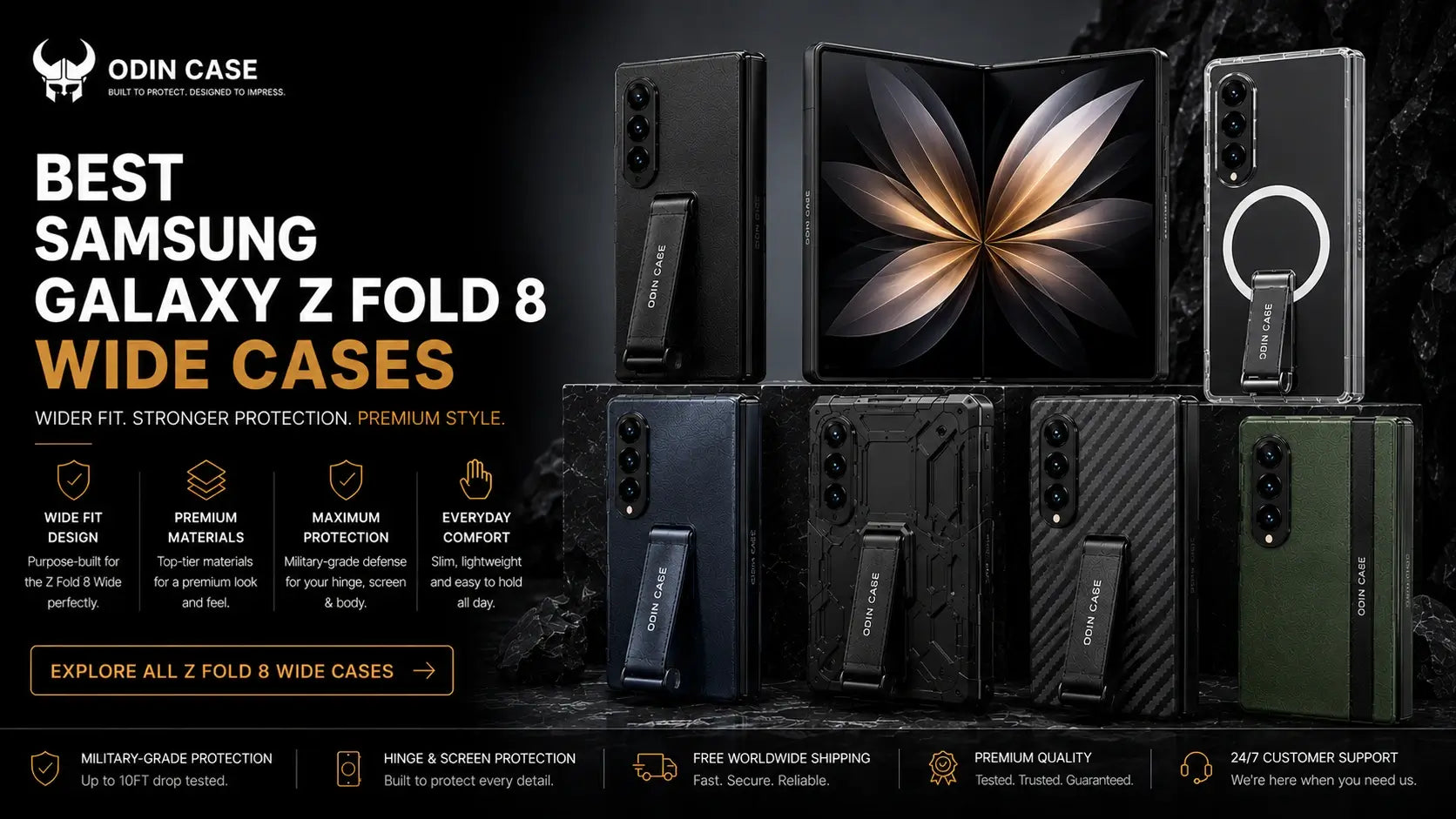
For case buyers: Lavender and Pistachio buyers should use clear cases to preserve their color investment. Green Shadow and Violet Shadow buyers typically pair better with leather or armor cases that coordinate with the muted palette. OdinCase's transparent ArmorGuard case for the Z Fold 8 Wide and the clear-body Wristband Kickstand case both keep Lavender and Pistachio fully visible.
Both devices run Snapdragon 8 Elite Gen 5 for Galaxy, Android 17, and One UI 9 with the full Samsung Galaxy AI feature suite. Both models deliver smooth, lag-free performance. Shared enhancements include horizontal lock, audio eraser, and a larger camera aperture. Additional AI features from the Galaxy S26 Ultra are shared across both models. 🔵
The Ultra gets Gemini Intelligence — Google's cross-app AI — as an exclusive debut before any other Android device. Gemini Intelligence automates multi-step tasks across apps: browse, summarize, draft, and send in a single instruction. The Ultra's 8-inch inner display is the ideal canvas for Gemini Intelligence output — the larger real estate lets AI-assisted content sit alongside source material simultaneously. Both devices receive 7 years of OS and security updates. ✅
Complete Side-by-Side Specification Table
| Spec | Z Fold 8 Ultra | Z Fold 8 Wide |
|---|---|---|
| Model | SM-F976 | SM-F971U |
| Form factor | Tall portrait-first book 🔵 | Landscape-first wide book NEW 🔵 |
| Inner display | 8.0-inch Dynamic AMOLED 2x 🔵 | 7.6-inch LTPO AMOLED 2x 🔵 |
| Inner aspect ratio | ~6:5 portrait 🔵 | 9:7 landscape-first NEW 🔵 |
| Inner resolution / ppi | ~500ppi ↑ UPGRADE 🔵 | 416ppi · 1828×2584px 🔵 |
| Inner brightness | Up to 3,600 nits 🔵 | High — similar 🔵 |
| Crease | Near crease-free — new hinge 🔵 | Near crease-free — Oppo N6 level 🔵 |
| Inner glass | 45μm UTG — dual-layer 🔵 | 60μm UTG 30% THICKER = MORE DURABLE 🔵 |
| Cover display | 6.5-inch FHD+ AMOLED 120Hz 🔵 | 5.4-inch 16:10 AMOLED SMALLER 🔵 |
| Refresh rate | 1–120Hz LTPO adaptive 🔵 | 1–120Hz LTPO adaptive 🔵 |
| Privacy Display | No 🔵 | No 🔵 |
| Chipset | Snapdragon 8 Elite Gen 5 for Galaxy 🔵 | Snapdragon 8 Elite Gen 5 for Galaxy 🔵 |
| RAM | 12GB / 16GB (1TB tier) 🔵 | 12GB 🔵 |
| Storage | 256GB / 512GB / 1TB 🔵 | 256GB / 512GB 🔵 |
| OS | Android 17 / One UI 9 🔵 | Android 17 / One UI 9 🔵 |
| Software support | 7 years ✅ | 7 years ✅ |
| Gemini Intelligence | Yes — exclusive debut 🔵 | Galaxy AI (standard suite) 🔵 |
| Main camera | 200MP · 1/1.3-inch · OIS 🔵 | 200MP · OIS 🔵 |
| Ultrawide | 50MP ↑ BOTH UPGRADED vs Z7 🔵 | 50MP 🔵 |
| Telephoto | 10MP 3x optical ULTRA-EXCLUSIVE 🔵 | None 🔵 |
| Inner selfie | Under-display 10MP 🔵 | 10MP (position TBC) 🔵 |
| Battery | 5,000mAh ↑ FIRST INCREASE IN 5 GENS 🔵 | 4,800mAh 🔵 |
| Wired charging | 45W ↑ BOTH UP FROM 25W 🔵 | 45W 🔵 |
| Wireless | 15W Qi2 Ready 🔵 | 15W Qi2 Ready 🔵 |
| Folded dimensions | 158.4 × 72.8 × 8.9mm 🔵 | 123.9 × 81.9 × 9.7mm UNIQUE FOOTPRINT 🔵 |
| Unfolded dimensions | 158.4 × 143.2 × 4.5mm 🔵 | 123.9 × 161.4 × 4.5mm 🔵 |
| Weight | ~210g 🔵 | ~201g LIGHTEST Z FOLD EVER 🔵 |
| Frame | Armor Aluminum 🔵 | Armor Aluminum + Gorilla Glass Victus 2 🔵 |
| Water resistance | IP48 🔵 | IP48 🔵 |
| S Pen support | Contested — unlikely 🟡 | Neither expected 🔵 |
| Colors | Cream · Graphite · Green Shadow · Violet Shadow 🔵 | Cream · Graphite · Lavender · Pistachio EXCLUSIVE 🔵 |
| Starting price | ~$2,100 (256GB) 🟡 | ~$1,900 (256GB) ~$200 LESS 🟡 |
| Launch date | July 22, 2026 — London Unpacked ✅ | July 22, 2026 — London Unpacked ✅ |
| Cases | 22 cases at OdinCase | 18 cases at OdinCase |
Who Should Buy Which Device — Honest, Opinionated Answers
- Use your phone camera daily — especially optical zoom. The 10MP 3x telephoto is Ultra-exclusive. Wide has none.
- Spend significant time on the device while folded. The 6.5-inch cover screen is a real phone. The Wide's 5.4-inch is not.
- Want the highest-resolution inner display (~500ppi vs 416ppi). Reading, documents, fine details.
- Want the Gemini Intelligence AI platform — it debuts on the Ultra before any other Android device.
- Need or want 1TB storage. The Ultra is the only 2026 Z Fold with a 1TB option.
- Prefer Green Shadow or Violet Shadow — both Ultra-exclusive, both muted and premium.
- Are upgrading from Z Fold 5 or Z Fold 6 — every Ultra upgrade (battery, ultrawide, crease, charging) will be felt immediately.
- Use Samsung DeX in portrait mode — document review, vertical split-screen, standard productivity orientation.
- Watch video content regularly. The 9:7 landscape display fills 16:9 content with smaller black bars than any portrait foldable.
- Game with the device unfolded. Horizontal gaming is native to the Wide's landscape orientation.
- Want the lightest Z Fold ever — ~201g vs Ultra's ~210g. Every gram matters in a 215g+ device.
- Use Samsung DeX intensively in landscape mode — the Wide's wider horizontal canvas is closer to a laptop screen.
- Chose Lavender or Pistachio — both are Wide-exclusive, never before available on any Z Fold.
- Don't use optical zoom regularly. You lose the telephoto but keep the 200MP main and 50MP ultrawide.
- Are comparing the iPhone Fold and want Samsung's wide-format answer — 2 months earlier, ~$400 cheaper.
- Want a lower entry price (~$200 less than Ultra) for nearly the same core experience.
🎯 The Honest Verdict — Which One Will Most People Prefer?
For most new foldable buyers: The Z Fold 8 Wide is the more exciting product. It is genuinely new — a form factor that has never existed in Samsung's lineup. The 9:7 landscape inner display solves the one frustration that most non-foldable users identify with Z Fold devices: content fills the wrong shape. Video fills it properly. Games fill it properly. Split-screen fills it with genuinely usable widths. The ~$200 price advantage helps.
For existing Z Fold users upgrading: The Z Fold 8 Ultra is the safer choice. It continues the form factor you already own, use, and have accessories for — with meaningfully better camera, battery, and display resolution than any previous Z Fold. The transition is intuitive. The telephoto return-on-investment is real if you use zoom photography.
For camera-first buyers: Z Fold 8 Ultra, unambiguously. The 10MP telephoto is exclusive, and the ~500ppi display resolution is materially better for reviewing shots and editing.
For media-first buyers: Z Fold 8 Wide, unambiguously. The 9:7 display is the best landscape foldable canvas Samsung has ever shipped.
The Case Situation — Why You Need the Right Collection for Your Device
One of the most common Z Fold 8 purchase mistakes that hasn't been widely written about yet: buying a case for the wrong device. The Z Fold 8 Ultra and Z Fold 8 Wide look like they might share cases because they're both "Z Fold 8" products. They do not share a single case.
Why Samsung Made Two Foldables at Once — The Apple Context
The strategic reason Samsung launched both: Apple's iPhone Ultra (expected September 2026) uses a wide landscape-first form factor. By launching the Z Fold 8 Wide two months before Apple ships a single unit, Samsung owns the category, captures early reviews, fills retail displays, and builds accessory ecosystems — before anyone can compare them side by side.
This is the most important strategic context for understanding the Z Fold 8 lineup. The Z Fold 8 Ultra is Samsung's proven, refined flagship — the device that keeps existing Z Fold customers happy and competitive with the premium Android market. The Z Fold 8 Wide is Samsung's preemptive strike against Apple's first foldable. By shipping a wide-format foldable in July, Samsung forces Apple to launch against a device that has already been reviewed, owned, and had its case ecosystem built out.
For buyers, this context matters because it explains why the Wide exists at all. Samsung didn't build the Z Fold 8 Wide because the wide format is categorically better — they built it because Apple's iPhone Ultra is a wide-format device, and shipping the Wide first means Samsung defines the wide-foldable experience before Apple can. If you're comparing Samsung vs Apple for your next phone, the Z Fold 8 Wide is Samsung's most direct counter-argument. It will be available 2 months earlier, at a lower price, from a company with 8 years of foldable manufacturing experience.

Leave a comment
This site is protected by hCaptcha and the hCaptcha Privacy Policy and Terms of Service apply.